
Trees add beauty, shade, and value to your property—but when structural issues arise, they can also become a safety concern. Bracing is a practical solution that can help stabilize weak or damaged trees and extend their lifespan when done correctly.
This guide explains how to brace a tree, when it’s necessary, and which methods work best for long-term success.
What Does It Mean to Brace a Tree?
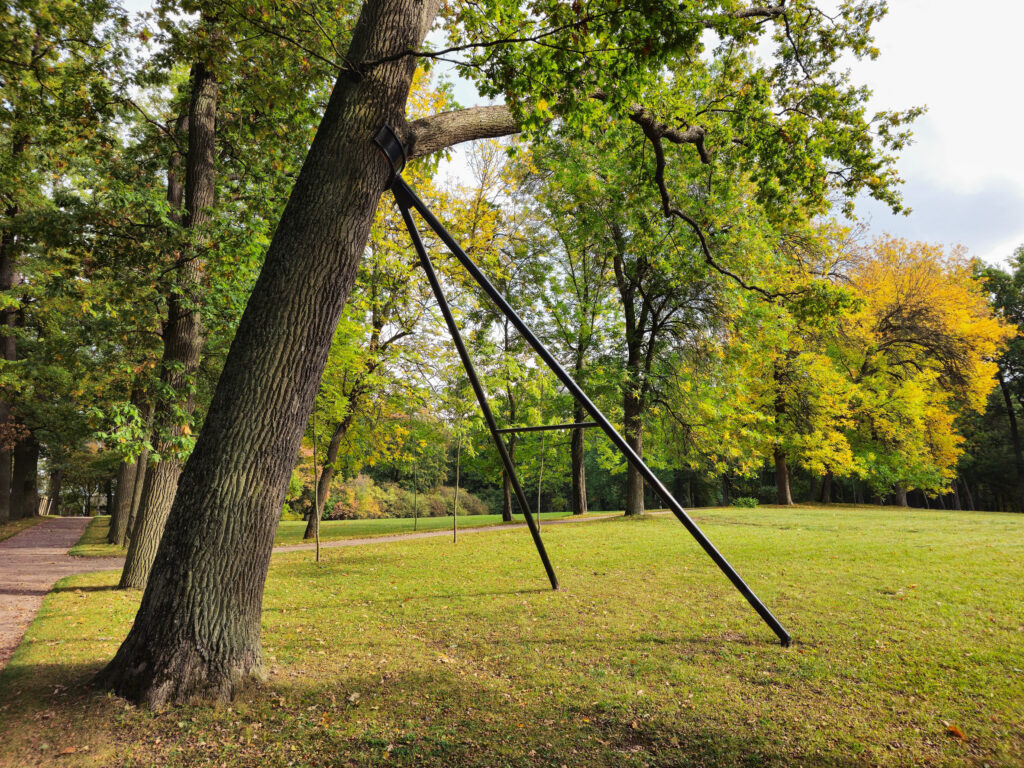
Tree bracing is the process of installing support systems—such as cables, rods, or stakes—to reinforce weak areas in a tree. These systems help redistribute weight, reduce stress, and prevent further damage.
Bracing is commonly used for:
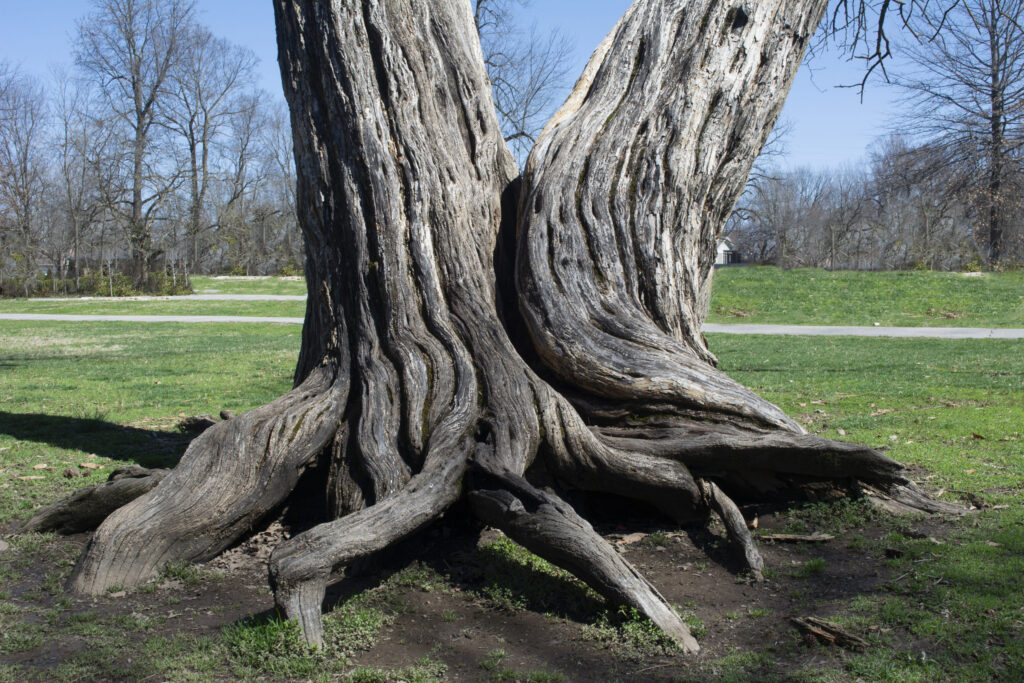
- Split or cracked trunks
- Co-dominant stems (two main trunks growing together)
- Large, heavy limbs prone to breaking
- Storm-damaged trees (find out how to prevent storm damage to trees)
- Newly planted trees that need support (find out often to water newly planted trees)
When Should You Brace a Tree?
Not every tree requires bracing, and unnecessary support can sometimes hinder natural development. However, there are clear signs that a tree may benefit from structural support.
Common Warning Signs:
- Visible cracks or splits in the trunk
- Weak branch unions forming a V-shape
- Large limbs extending too far from the trunk
- A tree that has begun leaning after a storm
- Previous limb or branch failure
If the tree shows severe damage or instability, it’s best to consult a certified arborist before attempting any bracing.
Do Newly Planted Trees Need Bracing?
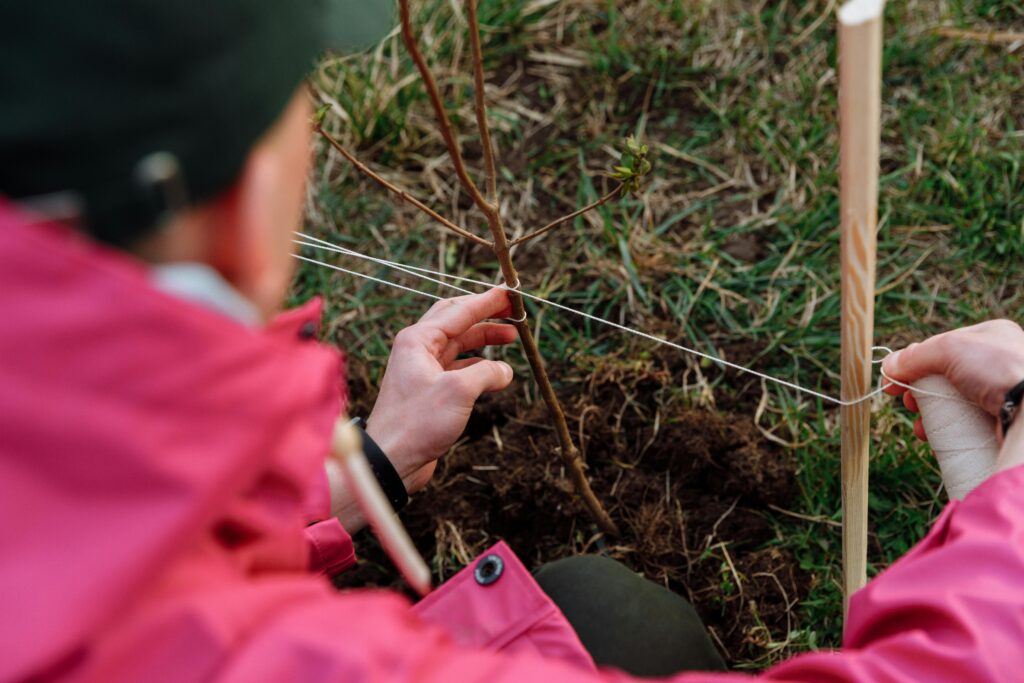
New trees are often staked, but not always. In fact, staking should only be used when necessary.
Stake a New Tree If:
- The tree is top-heavy with a small root ball
- It’s planted in a windy or exposed area (common in North Texas)
- The tree cannot stand upright on its own
- The root system is not yet firmly established
Skip Staking If:
- The tree stands upright without support
- The planting site is protected from strong winds
- The root ball is stable and secure
Allowing some natural movement helps trees develop stronger trunks and roots. Read about the best trees to plant in North Texas.
🌳 Staking vs. Bracing (Simple Breakdown)
Staking (New Trees)
- Used for young or newly planted trees
- Purpose: temporary stability while roots establish
- Materials: stakes + flexible ties
- Duration: short-term (usually 6–12 months)
- Goal: Help the tree stand upright without restricting natural movement
Think: Training wheels
Types of Tree Bracing Systems
1. Cabling
Cabling involves installing flexible steel cables high in the tree canopy to limit excessive movement between branches. This method helps reduce stress while still allowing natural sway.
Best for: Co-dominant stems and large limbs
Benefit: Preserves natural movement while adding support
2. Rod Bracing
Rod bracing uses threaded steel rods inserted through a split trunk or weak branch union. This provides rigid structural reinforcement and prevents further separation.
Best for: Cracked or splitting trunks
Benefit: Strong, long-term stabilization
3. Staking
Staking is typically used for young or newly planted trees. Stakes help guide upright growth and protect the tree while its root system develops.
Best for: New trees or small saplings
Benefit: Temporary support during early growth
Tree Bracing Methods Comparison Chart
| Method | Best For | Strength Level | Flexibility | Lifespan | Skill Level Needed |
|---|---|---|---|---|---|
| Cabling | Weak branches, co-dominant stems | Medium | High | 7–10 years | Moderate |
| Rod Bracing | Split trunks, severe cracks | High | Low | Long-term | Advanced |
| Staking | Young trees, new plantings | Low | Medium | 1–2 years | Beginner |
How to Brace a Tree (Step-by-Step)
Step 1: Evaluate the Tree
Identify structural weaknesses such as cracks, heavy limbs, or unstable growth patterns. Choose the appropriate bracing method based on the issue.
Step 2: Select Proper Materials
Use durable, tree-safe materials:
- Galvanized steel cables or rods
- Wide, soft straps or ties (to avoid bark damage)
- Strong stakes for young trees
Avoid using bare wire directly on the tree, as it can cut into the bark.
Step 3: Install the Support System
Cabling:
- Install anchor points about two-thirds up the tree
- Connect cables between weak limbs
- Leave slight slack to allow natural movement
Rod Bracing:
- Drill through the split or weak union
- Insert threaded rods
- Secure tightly with washers and nuts
Staking:
- Place stakes outside the root ball
- Secure the trunk with flexible ties
- Allow slight movement to encourage strength
Common Mistakes to Avoid
- Wrapping wire directly around the trunk
- Overtightening cables or ties
- Leaving stakes on too long
- Ignoring underlying issues like disease or root damage
- Attempting complex bracing without proper knowledge
Real-World Example: Storm-Damaged Oak Tree
In North Texas, storms frequently cause structural damage to mature trees. In one case, a large oak developed a split between two main trunks after high winds.
Instead of removing the tree, a professional arborist:
- Installed rod bracing to secure the split
- Added cabling higher in the canopy
- Pruned excess weight from vulnerable limbs
The result was a stable, healthy tree that remained intact for years, avoiding removal costs and preserving the landscape. Learn about all the types of oak trees.
Bracing vs. Tree Removal
Bracing is not always the right solution. Removal may be necessary if:
- The tree is more than 50% damaged
- There is extensive decay or disease
- The tree poses a safety risk to structures or people
A professional evaluation ensures the safest and most effective decision.
When Removal Is the Safer Choice
Sometimes, no amount of bracing or cabling can fully correct a tree’s structural issues. If a tree is severely damaged, diseased, or poses a risk to your home or family, removal may be the safest and most responsible option.
That’s where the professionals at Torres Tree Service can help. Our experienced team can assess your tree’s condition and recommend whether bracing or tree removal is the best solution for your property.
Don’t take chances with a hazardous tree. Contact Torres Tree Service today for a professional evaluation and peace of mind.
Final Thoughts
Bracing can be an effective way to preserve and protect trees, especially when structural weaknesses are caught early. The key is using the right method and installing it correctly.
For larger trees or complex issues, professional assistance is strongly recommended to ensure safety and long-term success.